Is it perimenopause?
Is there a test for perimenopause?
No single test confirms it. If you are 45 or over with symptoms and periods that are changing, UK guidance says a doctor recognises perimenopause from those alone, and blood tests are kept for younger women and for ruling out other causes.
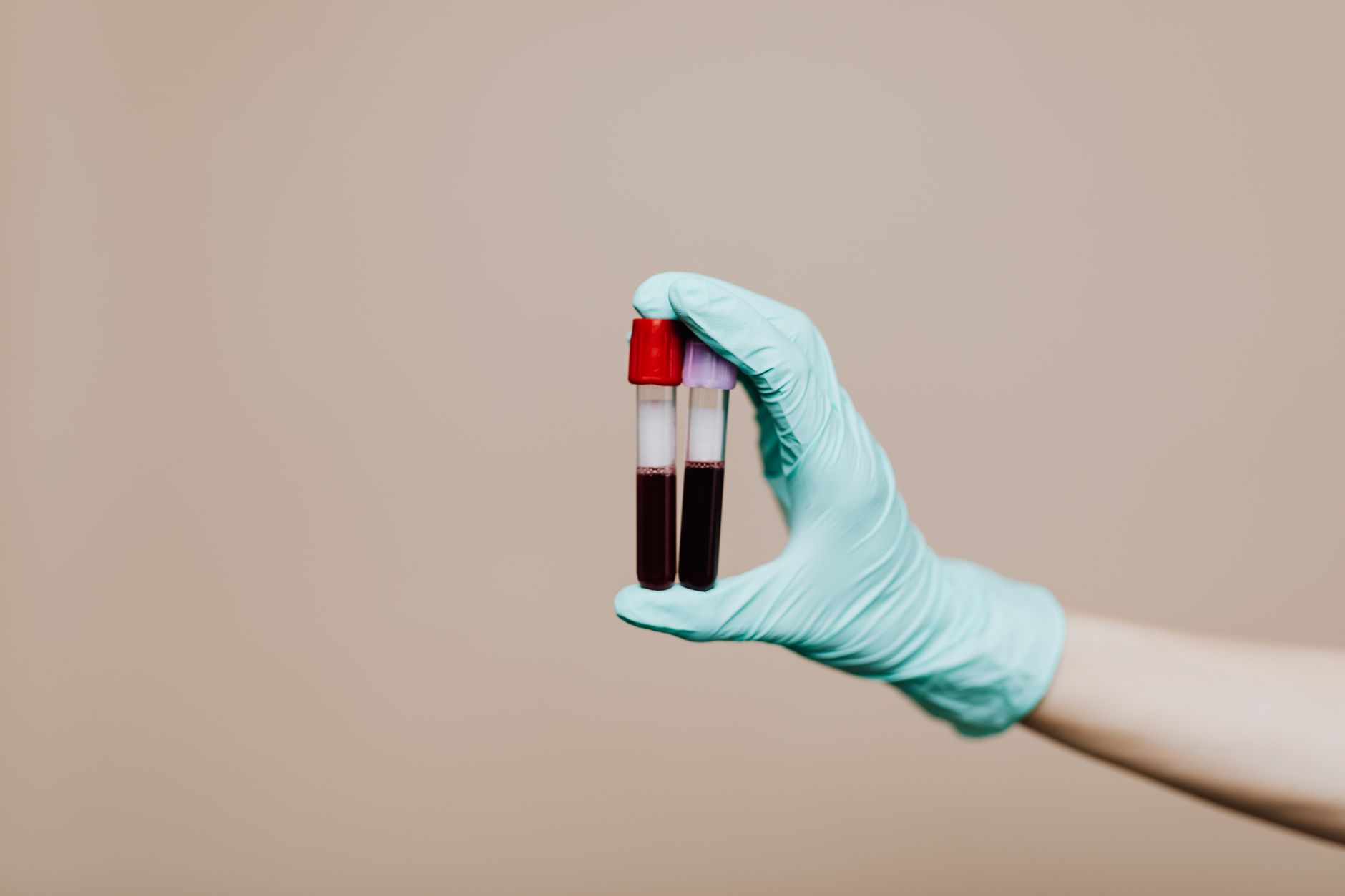
The NHS puts it in one line: there is no routine test for perimenopause or menopause, and a doctor may diagnose it from your age and symptoms. That surprises a lot of people, because a blood test feels like the obvious way to get a yes or no. The reason it does not work is the way hormones behave in these years.
Why a perimenopause blood test cannot give a yes or no
Perimenopause is defined by change. Your ovaries do not wind down in a straight line. Some months they release an egg and make plenty of estrogen, other months they do not, and the hormones that pass messages between the brain and the ovaries rise and fall in response.
So a blood test is a snapshot of one day. The FDA says it plainly in its page on home menopause kits: as you get older, FSH levels may rise and fall during your cycle, and while they are changing your ovaries can still release eggs. A high reading in March and a normal one in April can both be true, and neither tells you where you are in the transition.
This is why the NICE menopause guideline (NG23), which sets practice for NHS doctors, tells them to identify perimenopause in otherwise healthy people aged 45 or over without laboratory tests: when hot flashes or sweats have recently started and there is any change in the menstrual cycle.
The FSH test for perimenopause: who it is for
Follicle-stimulating hormone (FSH) is made by the pituitary gland and tells the ovaries to ripen an egg. As the ovaries respond less, the body makes more FSH to push them. A high level is therefore one sign of the transition, but only one, and it moves.
NICE keeps the FSH blood test for two groups:
- people aged 40 to 45 with menopause-type symptoms, including a change in their cycle
- people under 40 in whom menopause is suspected, where the question is premature ovarian insufficiency
Over 45, MedlinePlus says testing usually isn't needed, because high FSH is an expected part of perimenopause at that age. It adds that women who still have periods may need the blood taken on a particular day of the cycle, since FSH changes through the month. In younger women a doctor will usually repeat the test rather than act on one result.
There is one situation where FSH is not used at all. NICE tells doctors not to use it to identify menopause in anyone taking combined estrogen and progestogen contraception or a high-dose progestogen, because these hormones change the reading. If you are on the pill, the implant or a hormonal coil, our guide to perimenopause on hormonal contraception covers how doctors judge it instead, and pregnancy and contraception in perimenopause covers how long the NHS says to keep using contraception.
What an AMH test can and cannot tell you
Anti-Müllerian hormone (AMH) is made by the small follicles in the ovaries, so it gives a rough measure of how many eggs are left. Fertility clinics use it to plan treatment. It is also sold privately, sometimes as a way to find out "how close" you are to menopause.
For that purpose it disappoints. MedlinePlus says a low AMH may mean you are getting close to menopause but that the result can't predict how long you have until it arrives. NICE goes further for people aged 45 and over: it lists AMH among the tests doctors should not use to identify perimenopause or menopause, alongside inhibin A, inhibin B, oestradiol (estrogen), antral follicle count and ovarian volume on a scan.
AMH does have a place in younger women. MedlinePlus notes that a level lower than average for your age, with menopause symptoms before 40, may point to primary ovarian insufficiency, and a specialist may use it alongside FSH in that case.
Tests that rule other things out
The blood tests you are most likely to have in perimenopause are there to find something else. Tiredness, low mood, weight change and irregular periods have more than one cause, and a doctor will pick tests to match the symptoms that don't fit.
- Thyroid function (TSH). An underactive or overactive thyroid can look a lot like perimenopause. Our page on perimenopause or thyroid lists the clues that lean one way and when NICE suggests a test.
- A pregnancy test. A late or missed period in your 40s can still mean pregnancy, and the FDA reminds readers that changing hormones do not stop ovulation.
- A blood count for heavy bleeding. Very heavy periods can leave you short of iron. Our guide to heavy periods and clots covers what is checked and when.
Bleeding that is not a period, such as bleeding between periods, after sex or a year after your last period, is looked into whatever any hormone result says. The bleeding checker sorts which kinds to raise and how soon.
Home menopause tests: what a result means
Pharmacy menopause tests measure FSH in urine. According to the FDA they pick up raised FSH about 9 times out of 10, but they only tell you whether FSH is high that day. In the agency's words, the test "does not detect menopause or perimenopause".
The result is easy to misread either way:
- A positive result means you may be in a stage of menopause. It does not mean you can't get pregnant, and the FDA warns against stopping contraception because of it.
- A negative result with symptoms does not rule perimenopause out, since FSH may simply have been low on the day you tested.
- Your first morning urine, a lot of water beforehand, and contraceptives, HRT or estrogen you take or recently stopped can all change the reading.
The FDA adds that some home kits are identical to the test a doctor uses, but that a doctor would never use it on its own.
How perimenopause is diagnosed instead
A doctor relies mainly on your history. For someone over 45, NICE's two markers are hot flashes or sweats that have recently started and any change in the cycle. For menopause it is 12 months with no period while not on hormonal contraception. NICE also warns doctors that the picture is harder to read in anyone on hormonal treatment, for example for heavy bleeding.
That makes your own record the most useful thing you can bring. A doctor can do far more with six months of period start dates and a note of each symptom than with one hormone level. Write down:
- the first day of each period, so cycle lengths and any gap of 60 days or more show up
- each symptom, how often it comes and whether it is mild, moderate or severe
- bleeding that is unusual for you: heavier, longer, between periods or after sex
- any contraception or hormone treatment, with the date it started or stopped
Our printable symptom diary gives you a grid for this and a list of what to tell your doctor. Once you have a few dates, the cycle length calculator works out how much your cycles are swinging, and the stage finder matches that pattern to the research stages that doctors use.
If you are under 45, the path is different and a blood test is more likely. Our piece on when perimenopause starts covers the early and premature cut-offs and why they matter for bone and heart health, and menopause signs before 45 sets out how FSH is used to diagnose premature ovarian insufficiency.
My take
If you are past 45 and your periods and symptoms are shifting in the usual way, I would skip paying for a private hormone panel. NICE tells doctors not to use most of what those panels measure when the question is the transition, and one sample cannot capture levels that swing week to week. I would spend the effort on three months of dated notes instead. Under 45, or with symptoms that don't fit, asking your GP about FSH and a thyroid check is reasonable, and that is a conversation to have with the record in your hand.
Related reading
Our section Is it perimenopause? gathers the pieces on telling the transition apart from other causes. If you are still deciding whether your symptoms fit, the symptom checklist walks through them with what to do next.
Frequently asked questions
Does a normal FSH result mean I am not in perimenopause?
Can a blood test tell me when my periods will stop?
I am on the pill. Can a test show if I am perimenopausal?
Written by
Last checked 2026-11-04
Comments
No comments yet. Questions and your own experience are welcome.
Thank you. Your comment will appear once it has been reviewed.