Symptoms
Joint pain and muscle aches in perimenopause
Aching joints and sore muscles are among the most common complaints in perimenopause, and the NHS links them to falling oestrogen. See a GP if the pain gets in the way of daily life, keeps coming back, or leaves your joints stiff for more than 30 minutes after waking. A hot, swollen joint or a fever needs urgent help.
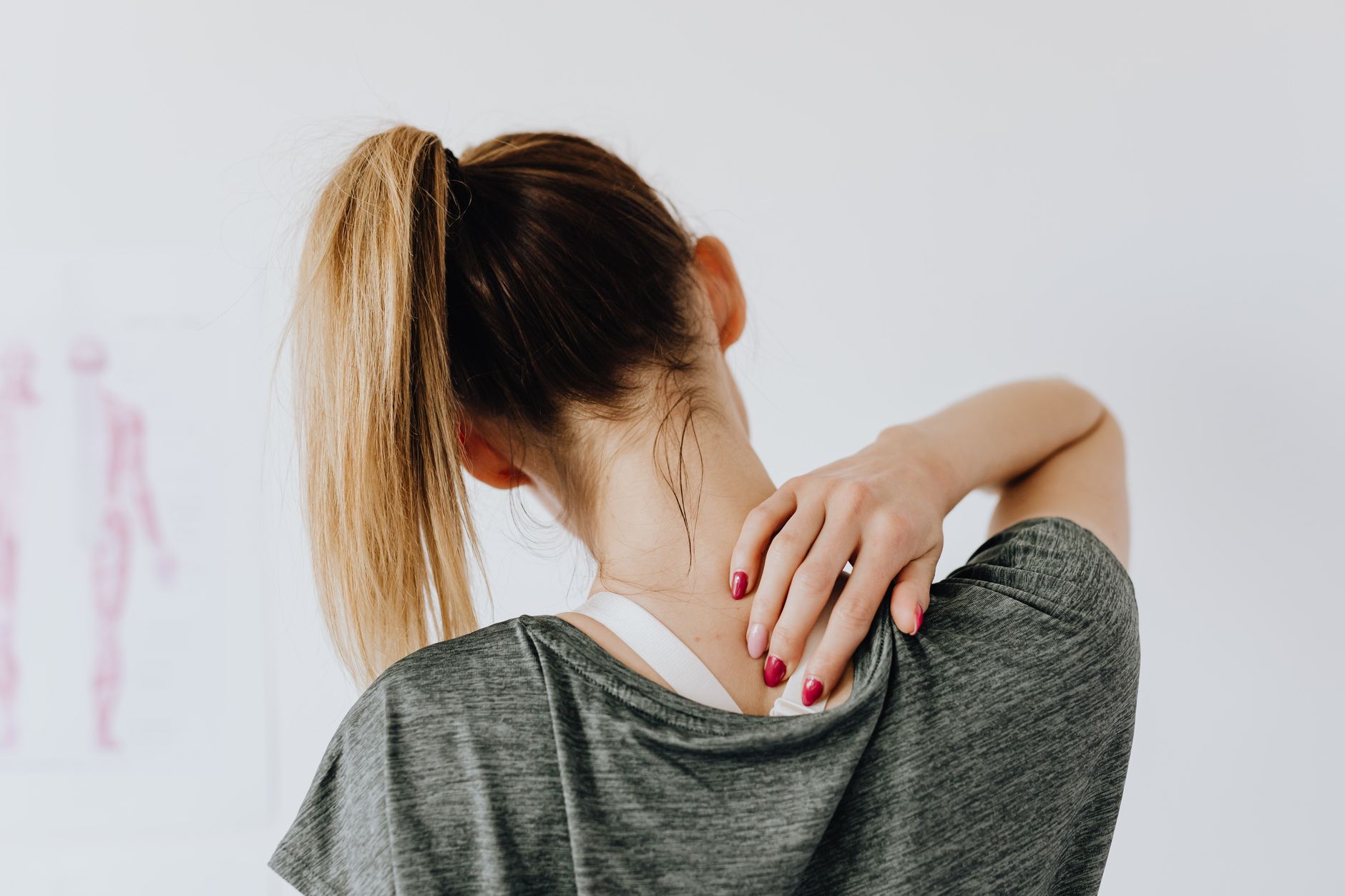
What perimenopause joint pain and muscle aches feel like
Most women describe a dull, spread-out ache more than a sharp pain in one place. Fingers feel stiff when you first pick up a mug, knees complain on the stairs, and the neck, shoulders and hips feel older than they did a year ago. Muscles can feel sore as if you had exercised when you have not. The aches often move around and change from week to week.
The NHS perimenopause symptom list includes muscle aches and joint pain next to hot flashes, poor sleep and mood changes. Its page on joint pain goes further and says perimenopause and menopause can cause aching and painful joints because of lower levels of oestrogen. The same page warns against diagnosing yourself, which is why most of this article is about the patterns a doctor should see.
How common aching joints are for women in their 40s
Two long studies that followed women through the transition both found aches near the top of the list. The Melbourne Women's Midlife Health Project followed 438 Australian women, aged 45 to 55 at the start, for eight years. The 2008 report in Climacteric found that women reported aches and stiff joints more often than any other symptom, and that reports rose over the years. Being in the menopause transition was one of the things linked to bothersome aches, along with a higher body weight, low mood and not being in work.
Years later, 224 of the women had X-rays of their hands and knees. Aching knees went with osteoarthritis in the knee, but aching hands did not go with arthritis in the hands. The authors concluded that aches and stiff joints after menopause are not necessarily a sign of arthritis that an X-ray would pick up.
In the US, the Penn Ovarian Aging Study followed women for nine years and found that aches, joint pain and stiffness became more common as women moved through the stages of the transition, as hot flashes and low mood did. Within each woman, the ups and downs of oestradiol, the main form of oestrogen, were linked to her aches. That fits what many women notice: the pain is worse in some weeks and nearly gone in others.
Frozen shoulder in perimenopause
Frozen shoulder gets its own section because so many women first hear of it in their late 40s. The NHS describes frozen shoulder as a shoulder that is painful and stiff for months, sometimes years. The pain can be worse at night and wake you, and the stiffness makes it hard to lift your arm, reach behind your back or put on a coat. It does usually go away in the end.
The NHS says the cause is often unclear, and names an injury or operation that stopped you moving the arm, and diabetes, as known triggers. Perimenopause is not on its list. Researchers at Duke, presenting a study of nearly 2,000 women aged 45 to 60 with shoulder pain, said older women are most often affected and that there may be a connection with the loss of oestrogen. Their own results were not statistically significant, so treat the link as a question being studied.
What matters for you is that frozen shoulder behaves differently from general aches. It sits in one shoulder, it limits how far the arm moves, and it gets steadily stiffer instead of coming and going. Whatever stage of perimenopause you are in, that pattern needs an appointment with a GP or physiotherapist.
Other causes of aching joints that look the same
Joint pain in your 40s and 50s is often perimenopause, but several common conditions start at the same age. The NHS joint pain page describes the main ones and the pattern each tends to follow:
- Osteoarthritis. The NHS osteoarthritis page says a GP may suspect it in people aged 45 or over when pain gets worse the more you use the joint and morning stiffness is absent or lasts under 30 minutes. It most often affects the knees, hips and small joints of the hands, and it is more common in women.
- Rheumatoid arthritis. According to the NHS symptom page, rheumatoid arthritis often starts in the small joints of the hands and feet, usually on both sides of the body, with throbbing pain, swelling and warmth. Its morning stiffness usually lasts longer than 30 minutes. Tiredness, weight loss and a high temperature can come with it.
- An underactive thyroid. An underactive thyroid is not on the NHS joint pain list, but its usual symptoms (tiredness, weight gain, low mood, poor concentration, irregular or heavy periods) overlap so closely with perimenopause that doctors often test for it. The NHS says Hashimoto's disease, its most common cause in the UK, usually starts between 30 and 50. Our page on perimenopause or thyroid sets out which signs point which way.
- Low vitamin D. The NHS vitamin D page says a lack of it can cause bone pain in adults (osteomalacia), and that in the UK the sun is too weak to make enough from October to early March. Deep, aching bone pain that is worse in winter is worth mentioning.
- Sprains, bursitis and gout. Pain after hard or repeated exercise, a warm, swollen joint that hurts when pressed, or a hot, very painful big toe that comes on overnight all point away from perimenopause.
Having one of these conditions does not mean you are not also in perimenopause, and the two often overlap. A GP will usually start with questions and an examination, and the NHS says X-rays and blood tests for osteoarthritis are not usually needed unless other causes have to be ruled out.
When to see a GP about joint pain
The NHS advises a routine GP appointment if:
- joint pain stops you from doing normal activities or disturbs your sleep
- the pain or swelling is getting worse or keeps coming back
- it has not improved after 2 weeks
- your joints stay stiff for more than 30 minutes after you wake up
In many parts of England you can also refer yourself to an NHS musculoskeletal (MSK) service, such as physiotherapy, without seeing a GP first. A shoulder that is painful and stiff and does not ease belongs on this list too.
When joint pain is urgent
Ask for an urgent GP appointment or contact 111 if a painful joint is swollen and the skin over it feels hot, or if you have joint pain and feel generally unwell, with a high temperature or shivers. The NHS lists a hot, swollen joint with a fever as a possible sign of a joint infection. Go to A&E or call 999 (911 in the US) for very bad joint pain after a fall or injury, a joint you cannot put weight on, a joint that looks out of place, or tingling or numbness around a joint after an injury.
What to note before the appointment
Aches that come and go are hard to describe in a ten-minute slot. Two or three weeks of notes give the doctor the pattern the NHS questions are built on:
- which joints or muscles ache, and whether both sides of the body are affected
- how long stiffness lasts after you get up, in minutes
- whether any joint looks swollen or red, or feels warm
- how much it limits you: stairs, opening jars, lifting your arm, sleep
- each day's ache as mild, moderate or severe
- your period dates, hot flashes and night sweats, so the doctor can see whether bad weeks line up with your cycle
- tiredness, weight change, low mood or a fever, which point to the look-alikes above
The printable symptom diary on this site has a row for aches next to sleep, mood and bleeding, and the perimenopause symptom checklist is useful if you are not yet sure you are in perimenopause.
My take
If you are in your 40s, your cycles are shifting and the aches are spread out, move around and come with hot flashes or poor sleep, I'd read them as part of the transition and bring them up at your next appointment with a few weeks of notes. I'd book sooner for anything one-sided and stubborn: a single swollen joint, a shoulder that will not lift, or morning stiffness that lasts longer than your first coffee. Thirty minutes of morning stiffness is the most useful number on this page, because it is the cut-off the NHS uses to tell wear-and-tear aches from the inflammatory kind that needs testing.
Related reading
Joint and muscle aches sit with the other body changes in perimenopause symptoms and how to track them. If poor concentration is arriving in the same months, see brain fog in perimenopause, and the symptoms topic collects every symptom page on the site.
Frequently asked questions
Can perimenopause make every joint ache at once?
Is frozen shoulder a perimenopause symptom?
Which blood tests might a GP do for aching joints?
Written by
Last checked 2026-11-05
Comments
No comments yet. Questions and your own experience are welcome.
Thank you. Your comment will appear once it has been reviewed.